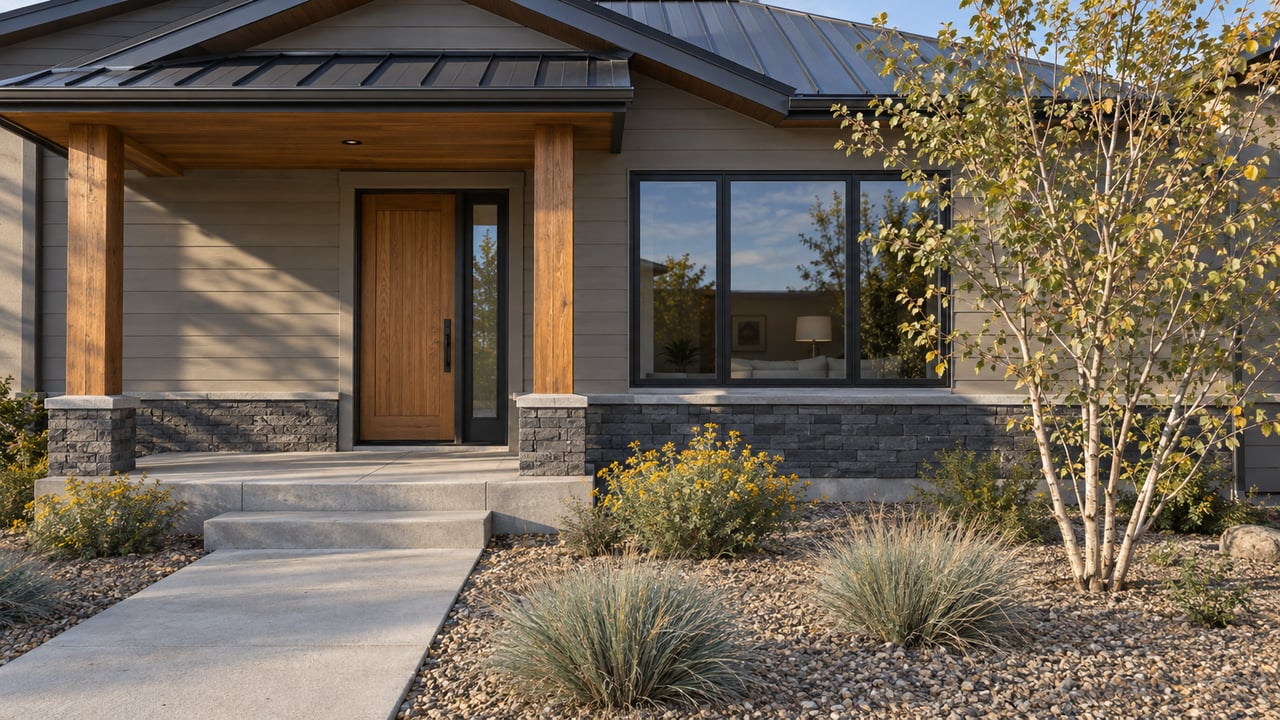
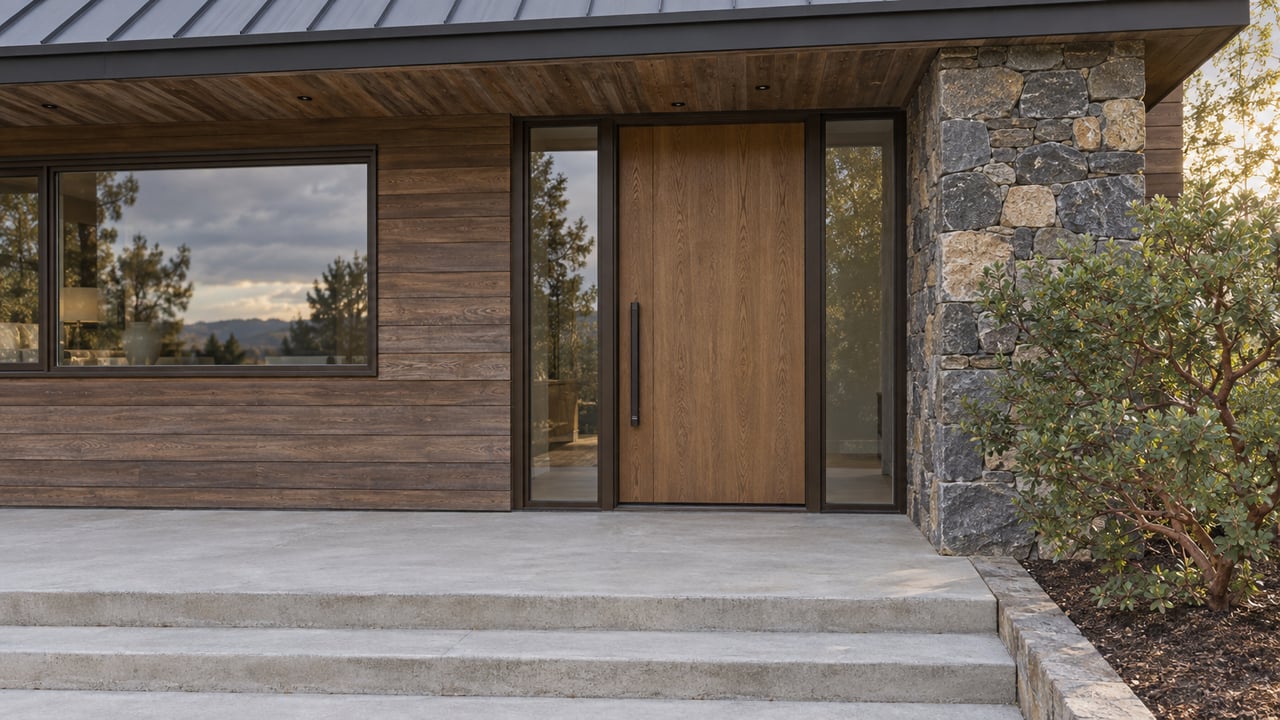
Thinking about selling in Redmond 97756 and wondering what your home is really worth? Pricing right can mean the difference between multiple offers and a slow, stressful listing. You want a clear, defensible number that reflects your home, your neighborhood, and today’s competition. In this guide, you’ll learn how a Comparative Market Analysis, or CMA, is built for Redmond sellers, what to look for in comps, and how local supply and demand shape your timeline. Let’s dive in.
CMA basics: what it is and isn’t
A CMA is a data-driven estimate of your home’s likely market value based on recent sales, current listings, and local trends. It is not a formal appraisal, but it is the tool your agent uses to position your home for the market. A strong CMA ties list price to the best nearby evidence and the pace of current demand.
For Redmond 97756, the best CMAs zoom in on micro-markets. Neighborhood, lot type, proximity to US-97 or Redmond Municipal Airport, and new construction nearby can all influence value. City-wide averages miss these nuances, so your CMA should not rely on broad data alone.
Why a CMA matters in Redmond 97756
A well-prepared CMA helps you set a smart list price, anticipate days on market, and decide if upgrades or staging will deliver a return. It also outlines likely offer types, such as cash or financed, and typical contingencies. You should expect a recommended list price range, a probable sold price range, a comp table, and a rough net proceeds estimate with an expected marketing timeline.
How a Redmond CMA is built
A reliable CMA follows a clear process and documents the logic behind each choice.
Nail the property facts
Your agent will confirm the essentials: living area, bedroom and bathroom count, garage, year built, condition, and any recent renovations. They will also note utilities, water source, potential irrigation rights, and site features like view, topography, or floodplain. In Redmond, proximity to RDM or US-97, HOA details, and zoning or manufactured-home status are important to verify.
Set time window and map the search
- Time window: In an active market, recent 3–6 month sales are best. If inventory is thin, using 6–12 months may be necessary, with a note explaining why older sales were included.
- Search area: Start within 0.5–1.0 mile for urban or suburban Redmond. Expand cautiously to 1–3 miles if needed. For rural or large-lot properties, a 5–10 mile search can work if the neighborhood characteristics and lot types match.
Always document why you used a comp beyond the standard time frame or radius. Unique lots or new-build pockets can justify a broader search when you keep similarity front and center.
Pick the right comps
Prioritize recently closed sales. Then consider pending listings to see market direction, followed by active listings to understand your competition. Withdrawn or expired listings are clues that overpricing has been a problem.
Match on key criteria: property type, similar bedroom and bath counts, close gross living area and price per square foot, and comparable lot size and topography. Aim for similar age and condition, or apply thoughtful adjustments. Note any sales with atypical concessions or non-arms-length transfers and adjust or exclude them as needed.
How many comps are enough
Quality beats quantity. Target 3–6 closed sales that closely mirror your home. If you cannot find enough recent closeds, add the strongest pending or active listings and clearly explain their role and limitations.
How adjustments work
Even great comps differ from your home. Adjustments bridge those gaps to estimate what buyers would likely pay for your property.
Size and features
Two practical approaches show up often:
- Dollar-per-square-foot: Use the median price per square foot from selected sold comps to adjust for living area differences.
- Feature adjustments: Apply fixed-dollar or percentage adjustments for bedrooms, bathrooms, lot size, garage bays, finished basements or attics, and view. When possible, derive these from paired sales where one feature differs.
Every adjustment should include a brief rationale. For example, a premium for a finished space should be supported by two nearby sales showing similar value for that feature.
Non-physical and deal terms
Adjust for concessions and terms that alter net value. Seller-paid closing costs, inspection credits, or cash purchases can shift the true market signal. Days on market and price reductions matter too. A comp that needed several cuts to attract a buyer may not reflect a well-positioned new listing.
New construction vs resale in 97756
New builds often include warranties, new systems, and builder incentives. Your CMA should compare net effective prices, accounting for concessions and any lot premium. It should also note the realities of timing, construction activity, and temporary bumps in supply when new phases release. Resales can compete on established landscaping, finished neighborhoods, and less construction disruption.
Absorption and timing in Redmond
Pricing is not just about comps. It is also about how fast homes are selling compared to how many are on the market.
Months of inventory, explained
Absorption measures the pace of sales. A simple approach divides active listings by average monthly closed sales to estimate months of inventory. Less than 3 months often signals a seller’s market, 3 to 6 months a balanced market, and more than 6 months a buyer’s market. Seasonality matters in Central Oregon, so it helps to compare similar time periods year over year.
What it means for your price
Low inventory and quick absorption support stronger pricing and may bring multiple offers. Higher inventory calls for competitive pricing and careful positioning. Months of inventory also approximates your expected marketing timeline, which helps you plan for staging, repairs, and moving logistics.
What to look for in your CMA
Use this checklist to evaluate the quality of your analysis:
- Comp closeness: Same property type, similar age and condition, ideally in the same or a directly comparable micro-market.
- Recency: Closed sales from the last 3–6 months unless a documented reason requires older comps.
- Transparent adjustments: Clear methods and sources, such as price per square foot or paired sales, with short explanations.
- Inventory and absorption: A stated months-of-inventory figure and a read on whether conditions are tightening or loosening.
- Net proceeds and pricing scenarios: At least two price strategies with likely timelines and tradeoffs.
- Competitive listings: The active homes you will compete with, plus notes on their updates, lot qualities, and price.
- Red flags: Pending zoning changes, environmental constraints, or upcoming builder inventory that could sway demand.
Pricing scenarios and strategy
A good CMA presents clear choices so you can weigh speed against price.
Aggressive vs market vs conservative
- Aggressive: Price high if inventory is tight and comps support it. Expect fewer showings if the market softens.
- Market: Price in line with recent closed sales and strong pendings. Aim for steady traffic and a realistic timeline.
- Conservative: Price to move if you need a faster sale or if inventory is building. This can limit negotiation friction and reduce carrying costs.
Your agent should explain how each approach affects days on market, likely concessions, and your estimated net.
Common pitfalls to avoid
- Overreliance on automated estimates without local adjustment.
- Using comps with different lot types, topography, or school boundaries without adjustments.
- Ignoring concessions, which can exaggerate the true price signal.
- Forgetting to account for new construction and builder incentives.
- Accepting a thin data set without noting increased uncertainty.
How to start your Redmond CMA
If you are considering selling, begin with verified property details and a tight comp set. Ask for an MLS-based CMA that documents adjustments and spells out months of inventory for your specific micro-market. Your next step is to discuss pricing scenarios and a marketing plan tailored to your goals, whether that includes staging, timing to seasonal demand, or positioning against nearby new-build phases.
Ready to see where your home stands in today’s Redmond market? Request a custom, MLS-based CMA and a clear plan to bring the right buyers to your door. For concierge guidance and premium marketing, connect with Julie Reber.
FAQs
What is a CMA for Redmond home sellers?
- A Comparative Market Analysis estimates your likely sale price using recent nearby sales, current competition, and local market pace, tailored to your micro-market in Redmond 97756.
Why is my tax assessed value different from a CMA price?
- Assessments use mass appraisal on a set schedule, while a CMA reflects recent negotiated sales and the details of your home, so the numbers often differ.
How far back should comps go in Redmond 97756?
- Prefer closed sales from the past 3–6 months, expanding to 6–12 months only when inventory is thin and explaining why older comps were used.
How many comps do I need for an accurate Redmond value?
- Aim for 3–6 closely matched closed sales; fewer can work if they are strong matches and the CMA clearly explains any limitations.
How do CMAs handle new construction vs resale?
- Your CMA should compare net effective prices by adjusting for builder incentives, lot premiums, timing, and the resale advantages of established neighborhoods.
How do absorption and months of inventory affect my timing?
- Lower months of inventory support stronger pricing and faster sales, while higher inventory calls for more competitive pricing and longer timelines.