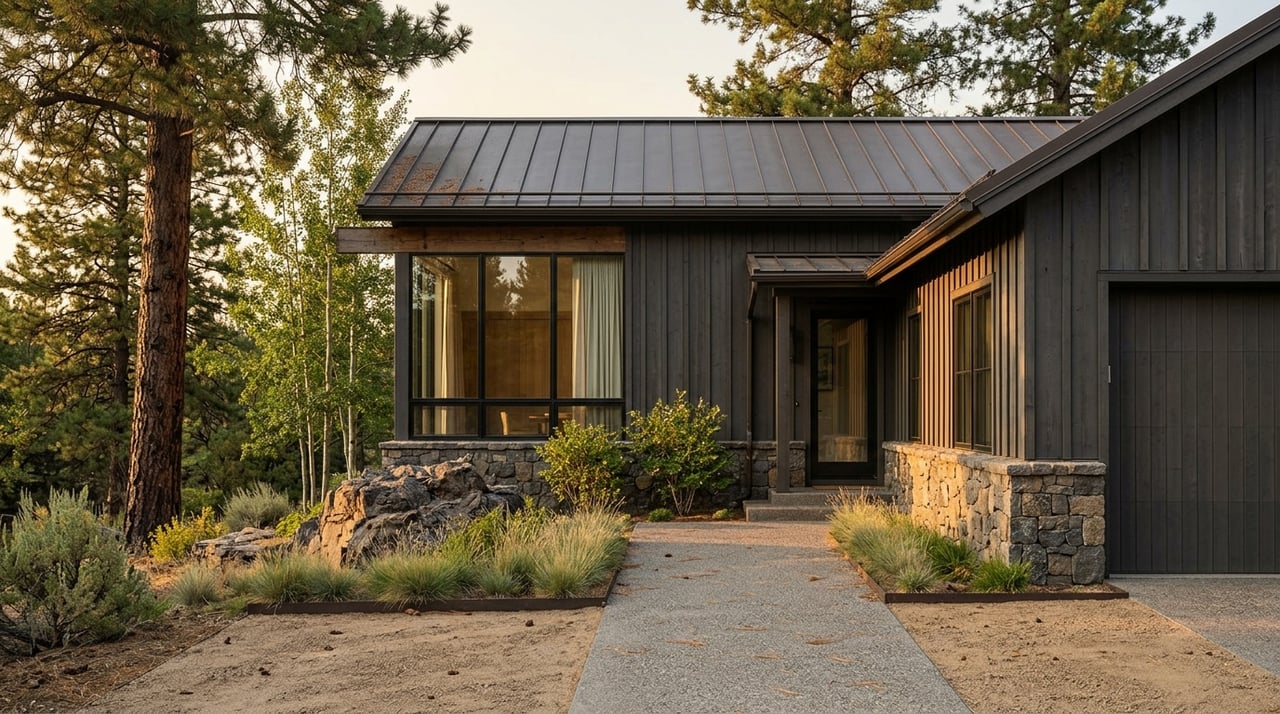
If you love the idea of more space, bigger skies, and a little more breathing room, Bend’s outskirts can be incredibly appealing. You may be dreaming about acreage, room for horses, a large garden, or simply a home that feels quieter and more private than an in-town address. The tradeoff is that rural-edge living asks more of you day to day, from road access to water systems and wildfire planning. Here’s what you should know before you decide if life on the edge of Bend is the right fit for you.
Why Bend’s outskirts feel different
Bend sits in a high-desert setting at 3,623 feet, with a dry climate, cool nights, nearby public lands, and access to Roberts Field Redmond Airport and Mount Bachelor. That setting shapes the experience of living on the city’s edges. You get a lifestyle that often feels more open, outdoorsy, and independent than what you might find closer to town.
The outskirts are not one single type of neighborhood. Around Bend, the rural edge is influenced by the city’s urban growth boundary and Deschutes County zoning, so you’ll see a mix of larger homesites, transition parcels, and rural subdivisions. In practical terms, that means two properties a few minutes apart can feel very different in layout, services, and future development potential.
How growth patterns shape the area
Bend uses an urban growth boundary, or UGB, to help guide where the city grows and to protect surrounding farm and forest land. Near that edge, land can fall into zones that are meant to preserve rural character or create a transition between urban and rural development. This is part of why the outskirts feel less uniform than a typical neighborhood in town.
For buyers looking at acreage, RR-10 zoning often comes up. Deschutes County says this zone can allow single-family dwellings, accessory dwelling units, agriculture, small-scale horse stables, and limited home businesses. The county also notes that the standard land division in RR-10 is 10 acres, and some older parcels may be smaller but generally cannot be divided further.
That last point matters. A property may look like it has future split potential, but historic zoning rules may already limit that option. If you are shopping for flexibility, it helps to look beyond the house and understand exactly what the parcel allows.
Daily life is more car-centered
One of the biggest shifts on Bend’s outskirts is how you move through your day. Inside the city, Bend’s planning goals support more complete communities where amenities are closer together. Outside that core pattern, daily routines usually become more car-based.
You may find yourself grouping errands, planning longer drives, and paying closer attention to commute routes. A home that feels only a short distance from town on a map can function very differently when every grocery run, school drop-off, or appointment starts with a drive. For many buyers, that is a worthwhile trade for privacy and elbow room, but it is still a real lifestyle change.
Utilities need closer attention
Outskirts living can also mean a different utility setup than you might expect in town. The City of Bend notes that not all customers receive city water, sewer, and stormwater service, and some properties outside the city’s water service area may have a different provider. Some homes may also rely on private systems instead of city connections.
That makes utility due diligence especially important. When you look at a rural-edge home, you are not just evaluating finishes and floor plans. You are also looking at how the property functions behind the scenes, including water service, wastewater systems, and who is responsible for ongoing maintenance.
Road maintenance can change the experience
Road access is one of the most important practical differences between in-town and outskirts living. Deschutes County maintains more than 830 miles of county roads, but it also says there are more than 600 additional miles of public rural roads that are not maintained by any government jurisdiction. Many of those roads are local access roads.
That matters year-round, but especially in winter. The county does not plow local access roads under its snow-and-ice plan, and only certain routes are prioritized for plowing and sanding during storms. So even if your destination is in Bend, the real question may be what your own road or driveway is like getting there.
If you are considering a property with a long driveway or a less improved road, think about winter access early. Snow removal, surface condition, drainage, and turnarounds can all affect how easy the property is to use in every season.
Public safety is regional
On Bend’s outskirts, public safety coverage is typically broader and more regional than in a city neighborhood. Deschutes County 911 covers more than 3,100 square miles and dispatches for 15 police and fire or EMS agencies. The Deschutes County Sheriff’s Office patrols areas outside Bend, Redmond, Sunriver, and Black Butte Ranch.
For many buyers, that setup fits the rural lifestyle well. You get privacy and space, while still being served by county-level emergency systems. It is simply a different context than living on a denser in-town street.
Outdoor access stays close
One of the best parts of living on Bend’s edge is that you still keep close access to the region’s major lifestyle draws. The City of Bend says it is about 15 miles from Roberts Field Redmond Airport, about 22 miles from Mount Bachelor, and surrounded by public lands. That combination helps explain why so many buyers are drawn to the outskirts in the first place.
You can have a property that feels more rural without being cut off from recreation or travel. If your ideal day includes trail access, mountain views, gear in the garage, and room to spread out, the outskirts often deliver that balance.
Acreage living means system ownership
If you are drawn to larger lots, it helps to understand that acreage living is not just a style choice. It is also a property-management choice. The biggest day-to-day considerations often involve water, septic, irrigation, and land use.
Deschutes County advises private well owners to sample annually for bacteria and nitrate. The county also says septic systems should be at least 100 feet from the well, and onsite wastewater systems must be designed to county standards and Oregon DEQ rules, then inspected and approved. In short, the property’s infrastructure becomes part of your regular responsibility.
Water use matters more than buyers expect
Water is often one of the most misunderstood parts of buying acreage near Bend. The Oregon Water Resources Department says all water belongs to the public and that, with some exceptions, a permit or license is needed to use underground or surface water. A domestic well is exempt for household use and up to a half-acre of land.
That distinction is important if you are picturing more than basic residential use. If you want pasture, a larger garden, animals, or small-scale agricultural activity, the legal water picture may matter just as much as the home itself. Water access can come through a water right, an irrigation district, a municipality, or water-hauling service.
Irrigation can shape the property’s value
In Central Oregon, irrigation districts are a major part of the acreage conversation. Central Oregon Irrigation District serves about 45,000 acres across a 180,000-acre area and includes Bend, Redmond, Alfalfa, Powell Butte, and more than 4,000 accounts. Tumalo Irrigation District serves 685 patrons and irrigates more than 7,400 acres, including pastures for livestock.
For buyers who want horses, hay ground, or a hobby-farm setup, irrigation details can be central to whether a property works. It is also worth remembering that water supply can be seasonal. Tumalo Irrigation District notes that irrigation season can be reduced early in years with low snowpack and drought.
Horses, barns, and ADUs may be possible
Many buyers are drawn to Bend’s outskirts because they want flexibility that is hard to find in town. In some rural residential areas, that can include agriculture, small-scale horse stables, limited home businesses, and in certain designated rural residential exception areas, accessory dwelling units subject to restrictions.
That said, possibility is not the same as permission. The parcel’s zoning, setbacks, water availability, and septic capacity all need to support your plans. If you want a barn, a secondary unit, or room for animals, it is smart to evaluate the whole property as a system rather than assuming the land alone makes it feasible.
Wildfire readiness is part of the lifestyle
On Bend’s rural edge, wildfire planning is not just a seasonal chore. It is part of owning and maintaining the property. The Oregon State Fire Marshal describes defensible space in three zones: the 0 to 5 foot immediate zone, the 5 to 30 foot intermediate zone, and the 30 to 100 plus foot extended zone.
The state recommends steps like clearing debris from roofs and gutters and keeping the first five feet around the home noncombustible. Oregon’s home-hardening guidance says these steps, together with defensible space, reduce the chance of ignition. For some new homes in designated hazard zones, wildfire hazard mitigation standards also apply.
Larger lots bring another layer of planning. The Oregon State Fire Marshal says driveways should provide about 13 feet 6 inches of vertical clearance and 20 feet of horizontal clearance for fire engines. So when you look at gates, trees, and driveway layout, you are not just judging curb appeal. You are also thinking about access and safety.
Winter upkeep is real
Bend’s high-desert climate brings dry conditions, moderate days, and cool nights, but winter still shapes life on the outskirts. Snow, ice, and long driveways can all become part of your normal maintenance routine. If your road is not county-plowed, your winter experience may be very different from someone living closer to town.
That does not mean rural-edge living is inconvenient by default. It just means self-sufficiency matters more. Many buyers love that independence, especially if the reward is a quieter setting, wider views, and space for a more customized lifestyle.
Who tends to love Bend’s outskirts
The outskirts often appeal to buyers who value privacy, land, and a little more control over how they live. You may be a fit if you want room for horses, a workshop, a guest space, or simply a home that feels less compressed than in-town options. You may also appreciate being close to Bend’s recreation and airport access while living in a setting that feels distinctly more rural.
The key is going in with open eyes. Bend’s edge can offer a beautiful and rewarding lifestyle, but it asks you to think carefully about zoning, infrastructure, access, and seasonal maintenance. For many buyers, that tradeoff is exactly what makes it special.
If you are weighing acreage, equestrian property, or a rural-edge move near Bend, working with someone who understands both the lifestyle and the property details can make the process much clearer. Julie Reber offers thoughtful, hands-on guidance for buyers and sellers navigating Central Oregon’s rural and luxury markets.
FAQs
What is daily life like on Bend’s outskirts?
- Daily life is usually more car-centered, with longer drives for errands and more attention to roads, driveways, and utility systems than you would typically have in town.
Can you keep horses on property near Bend’s outskirts?
- In some rural residential areas, yes. Deschutes County says RR-10 can allow small-scale horse stables and agriculture, but the exact use depends on zoning, setbacks, water availability, and the property’s systems.
Do homes on Bend’s outskirts always have city water and sewer?
- No. Some properties are outside city service areas, may use different providers, or may rely on private wells and onsite wastewater systems.
Who plows roads near Bend’s rural edge in winter?
- Deschutes County plows prioritized county routes, but local access roads generally are not plowed under the county’s snow-and-ice plan.
What should buyers know about wells and septic near Bend?
- Deschutes County advises annual well sampling for bacteria and nitrate, and onsite wastewater systems must meet county standards and Oregon DEQ rules, with inspection and approval required.
Is wildfire planning important on Bend’s outskirts?
- Yes. The Oregon State Fire Marshal recommends defensible space around the home, debris removal from roofs and gutters, noncombustible material near the structure, and adequate driveway clearance for emergency access.