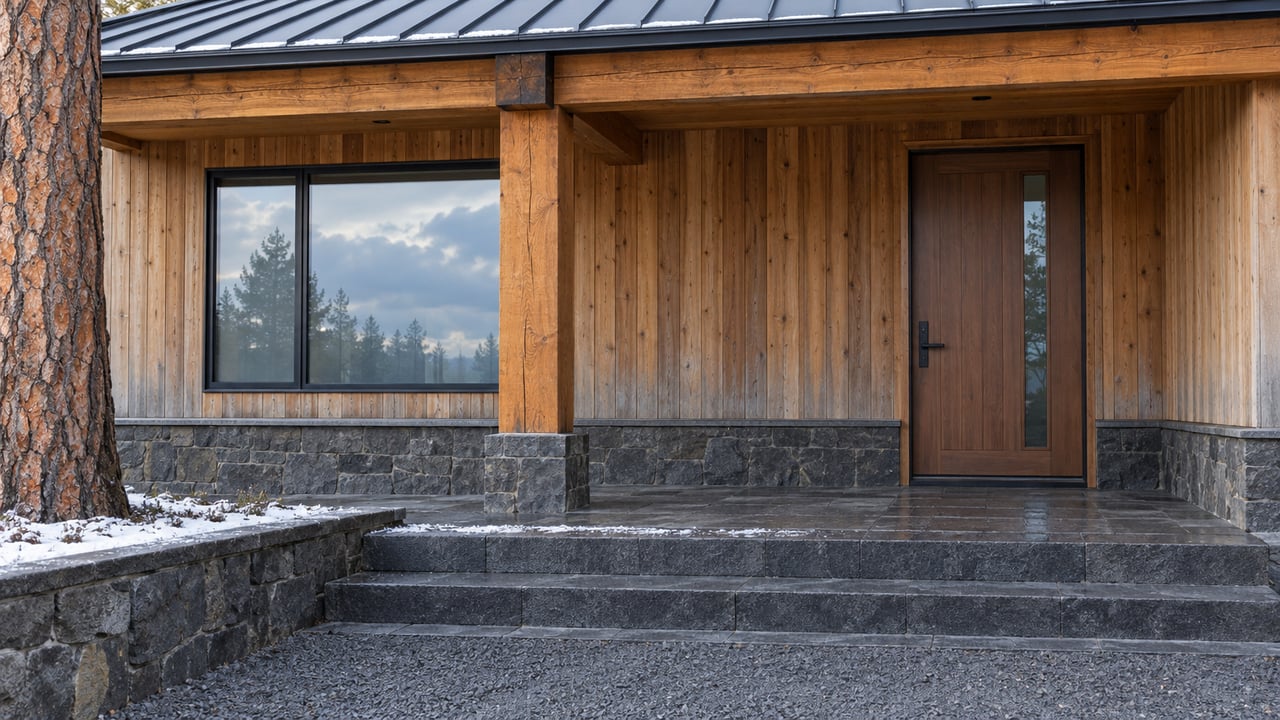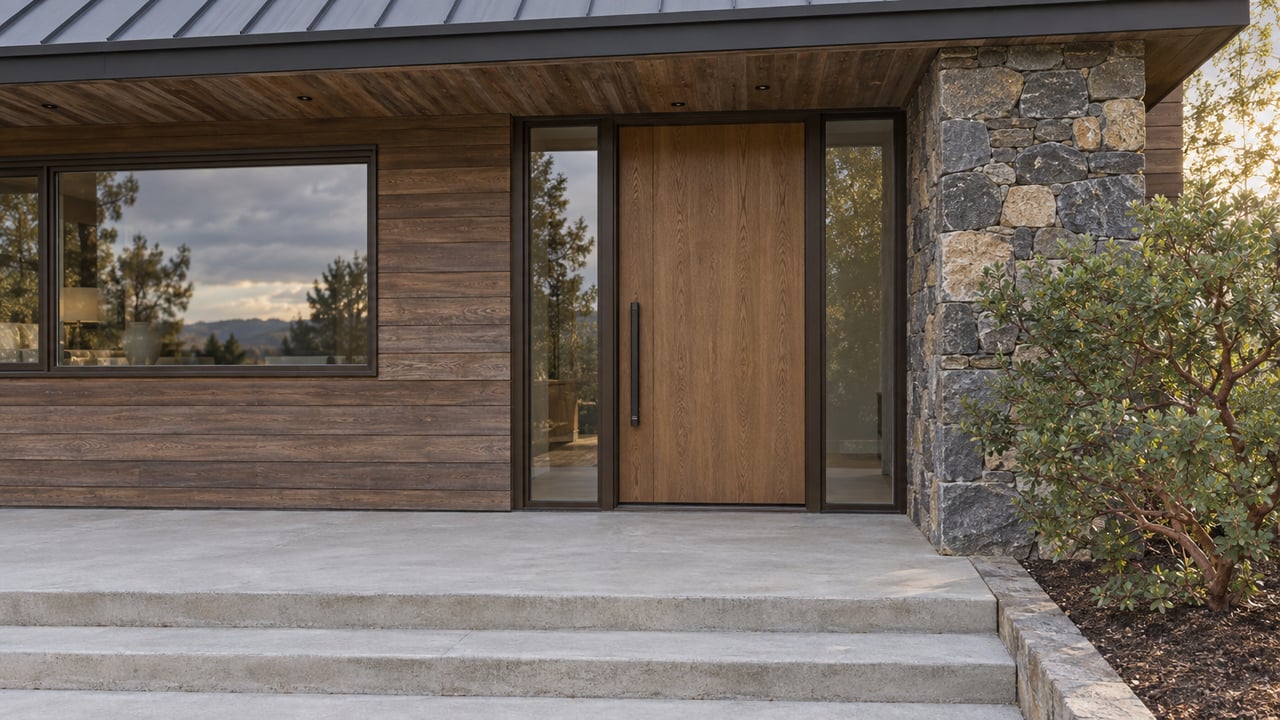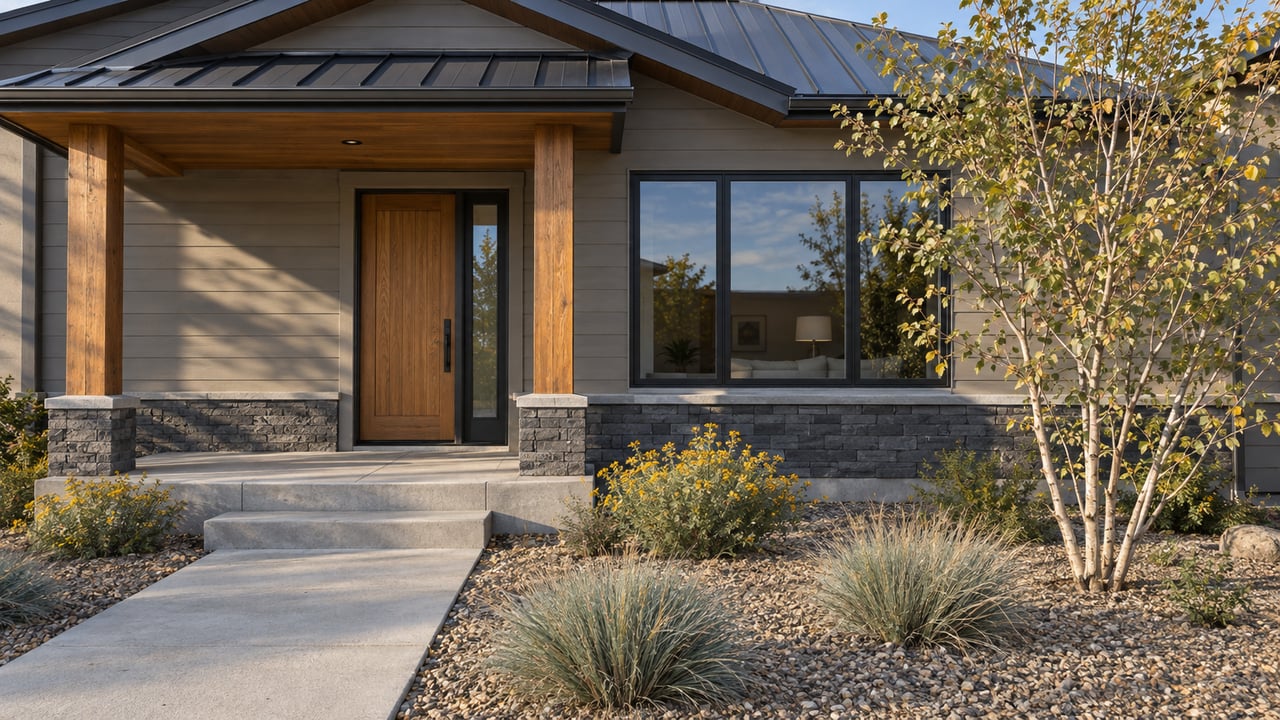
The building on 27th Street across from Knott Landfill is about the size of a storage shed. Inside are metal cabinets with switches, knobs and digital controls that can push thousands of gallons of wastewater a minute through miles of pipe under juniper, ponderosa and lava rock. The Bulletin reported that the city finished it in November 2025 at a cost of $26 million.
Anyone who buys one of the first new homes in this corner of Bend will help pay for that shed. On October 7, Bend City Council added a second charge that pays for roundabouts. These fees don't arrive as separate bills at closing. They are paid when the building permit is issued, and KTVZ noted that a builder's cost could end up in the home's sale price. Before you compare a new southeast Bend home with a resale across town, it helps to know what those charges are, why the builders asked for them, and what they still don't guarantee.
Ten Years of Nobody Going First
The city calls it the Southeast Area. Planners call it "the Elbow." It covers 479 acres and was the largest piece of land added to Bend's urban growth boundary in 2016. A master plan adopted in 2021 set aside 150 acres for housing and 220 acres for employment, with room for at least 1,230 homes and businesses employing 2,800 people.
According to the Bulletin's November 2025 report, not one housing unit was built there in the nearly ten years after the land joined the boundary.
The holdup was ownership. At the edge of most cities, one developer controls a parcel and builds its own pumps, pipes and roads. The Elbow is split among more than two dozen owners. The first to break ground would have paid for a sewer line or a roundabout that every later neighbor would also use. The Bulletin described the result as a standoff, with each developer waiting for some guarantee about who would build the public improvements. Demand for housing was never the obstacle. Paying first just didn't make financial sense for anyone.
How the Standoff Came Apart
The standoff came apart one utility at a time. For sewer and roads, the cost is spread across every project that will use them, and each new home pays its share when it is permitted. Water was handled privately by the developers.
- Sewer, settled in 2025. The city built the pump station itself. Developers repay about half, or $11 million, through a supplemental system development charge. Another $11 million comes from citywide sewer rates, and the city is seeking $4 million from Bend Park & Recreation District, which owns property at a corner of the area. The station can handle the equivalent of 3,400 housing or commercial units.
- Water, privately. Developers agreed to pay for a $6.6 million water line through the area. Avion Water, a private utility, serves the Elbow.
- Roads, settled October 7, 2026. Council approved a supplemental transportation SDC without opposition, and it took effect on adoption. According to city council materials cited by KTVZ, area owners, developers and the Central Oregon Builders Association asked for it.
In November 2025, a Hayden Homes spokesperson, Jenn Kovitz, explained to the Bulletin why builders backed the shared approach.
"It's really about making sure that we're sharing the risk, as opposed to burdening whoever goes first."
City of Bend Chief Operating Officer Russ Grayson made the same point about roads to KTVZ. "In theory, it allows everybody to move faster, and not one development is saddled with that initial capital outlay to go build the two-, three- or four-million-dollar roundabout," he said. "They only pay as development occurs."
What a New Home There Carries in One-Time Fees
The fix for a decade-long stall works out to a few thousand dollars per house, and it sits on top of a much larger set of citywide charges. The table adds up the system development charges the City of Bend and Bend Park & Recreation District list for a single-unit home in the Southeast Area, by size, under the schedules in effect since July 1, 2026.
| Charge | 1,601–2,200 sq ft | 2,201–3,000 sq ft | Over 3,000 sq ft |
|---|---|---|---|
| Citywide water SDC | $6,775 | $8,986 | $14,438 |
| Citywide sewer SDC | $6,157 | $6,508 | $7,120 |
| Citywide transportation SDC | $10,230 | $11,199 | $11,522 |
| Bend Park & Recreation District SDC | $11,651 | $12,339 | $13,470 |
| Southeast supplemental sewer | $3,482 | $3,673 | $4,021 |
| Southeast supplemental transportation | $3,220 | $3,525 | $3,626 |
| Total | $41,515 | $46,230 | $54,197 |
The citywide amounts come from the City's 2026–27 SDC fee schedule. The parks figures come from the Bend Park & Recreation District schedule for July 2026 through June 2027. The Southeast sewer tiers are in Resolution 3487, and the new road charge is in the supplemental transportation schedule. These are SDCs only. They leave out other permit and utility connection costs.
For the 2,201–3,000 square foot home, the two Southeast charges together come to $7,198, or about 16% of that home's $46,230 total. Most of the fee load on a new southeast Bend home is the same load a new home of that size carries anywhere in the city. The Elbow-specific share is the smaller piece, and it is the piece that ended the standoff. Housing affordable to households at or below 80% of area median income is exempt from the new road charge. The city also offers SDC deferrals and installment loans for projects that qualify.
Two scheduled changes are worth knowing about if you are timing a new-construction purchase. The citywide transportation SDC is on a phase-in schedule adopted in 2024, with another step starting July 1, 2027. The city also says it can adjust the new Southeast road charge each year for inflation.
The Roundabouts Are Funded, Not Scheduled
The new charge is expected to raise $13.33 million, and KTVZ reported that the revenue can be spent only on the adopted list of three projects:
- A $4 million roundabout at Southeast 27th Street and Southeast Caldera Drive, also called Diamondback Way
- A $2.5 million roundabout inside the area at Southeast Caldera Drive and Southeast Journey Way
- $6.83 million toward bringing parts of Southeast 27th Street and Knott Road, from Ledger Lane to Ferguson Road, up to current urban standards
The new fee covers 36% of the eligible 27th Street and Knott Road work. Projects on the existing citywide transportation SDC list account for the other 64%.
Timing is where buyers get caught. KTVZ reported that approving the fee doesn't mean construction starts right away. The city will collect money as homes and businesses are permitted, then schedule the projects through its capital planning process once the work is warranted. Because the money comes from new development, the roads arrive when enough development has paid in, not on a fixed date. Early buyers in the Elbow will likely live near unfinished road improvements longer than later buyers will. The city's own estimate for the project list also rose from $11 million in its June 2026 presentation to $13.33 million in October.
Who Is Lined Up to Build
With sewer and roads both settled, the projects that were waiting can move ahead. As of this month, here is where they stand.
Copperwood Crossing. City Council approved the annexation and comprehensive plan map amendment after hearings in February and March 2026. City records list a phased land division of 65 acres into 176 lots and 12 tracts, across standard-density residential, mixed employment and light industrial zones, as "Approved - Monitoring Conditions." The decision was posted to the City's CityView portal on August 24, 2026.
Magnolia Meadows. Hayden Homes' four-phase, 151-lot subdivision is also listed as approved and monitoring conditions. Hayden's community page shows it as "Coming Soon," with pricing to be determined.
Ferguson Village and Magnolia Lane. As of the Bulletin's November 2025 report, site work had started south of Ferguson Road on Ferguson Village, a planned nine-building, 264-unit apartment community with a clubhouse. Lennar was building the homes and North Peak Development of Lake Oswego was building the public infrastructure. The same report described plans for 127 townhomes along Magnolia Lane.
An 80-acre mixed-use plan to the south. The Bulletin described plans for seven new city blocks with apartments, commercial and industrial space, senior living, and a pickleball facility with food carts, among other uses.
Just across Knott Road, outside the Elbow, the 93-acre Caldera Ranch boundary expansion approved on September 16 is planned for 716 homes. The Bulletin reports that its next step, a Deschutes County hearing on a map amendment and zone change, is set for October 29, and that construction would likely start in 2028.
Quick Answers
Will owners of existing homes in the area get a bill for the new road charge? No. KTVZ reported that existing homes and businesses won't get a separate bill just because the fee was adopted. It applies when new development applies for a building permit.
Where exactly does the charge apply? It applies inside a mapped section of southeast Bend roughly bounded by Southeast 15th Street, Ferguson Road, Southeast 27th Street and Knott Road.
Does the new charge replace the sewer supplement? No. It is a separate charge on top of the citywide transportation, water and sewer SDCs and the existing Southeast sewer fee.
This post is general information about public fee schedules, not legal, tax or financial advice. Please check how any of these charges apply to a specific purchase with the City of Bend, your builder, or the right professional.
If you're deciding between one of the Elbow's first new homes and an established home elsewhere in Bend, Julie Reber can go through the timing with you: what's approved, what's still on paper, and how the road schedule fits the years you plan to own. Schedule a free consultation and bring your questions about southeast Bend.