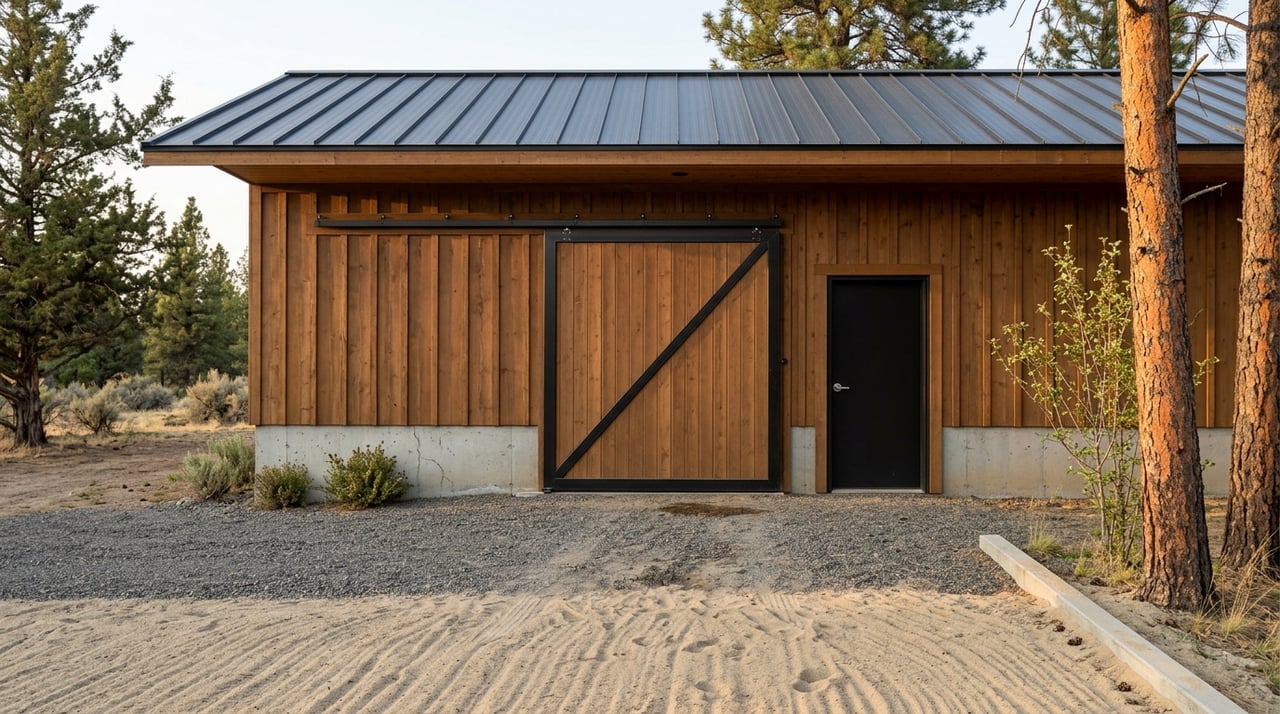
Dreaming about a horse property near Bend is easy. Planning one well is where the real work begins. Between zoning, water, septic, access, and Bend’s high-desert climate, the right property is not always the one that looks best at first glance. This guide will help you think through the practical pieces early so you can make smarter decisions with more confidence. Let’s dive in.
Start With Bend’s Climate
Bend’s climate shapes almost every part of equestrian property planning. NOAA normals for the Bend station show about 10.62 inches of annual precipitation and 21.6 inches of annual snowfall, and Oregon State University Extension describes Central Oregon as semi-arid with sandy, fast-draining soils, clear nights, frequent frost, and wide temperature swings.
For you, that means a horse property needs to work hard in all seasons. Drainage, dust control, winter access, and realistic expectations for pasture and irrigation should be part of the plan from day one, not added later.
OSU also notes that the average growing season in Bend is only about 80 to 90 days. Frost risk can show up well outside the usual spring and fall windows, so pasture recovery and plantings around barns, paddocks, and fences need to be chosen with that reality in mind.
Check Zoning Before You Fall in Love
One of the most important early steps is confirming what the parcel actually allows. In Deschutes County, base-zone summaries say that RR-10 and MUA-10 allow single-family dwellings, ADUs, agriculture, and small-scale horse stables.
That sounds encouraging, but there is an important catch. The county also says its zoning table is only an informal summary and does not include every development requirement or property-specific exception. You should verify the exact zone, any overlays, setbacks, and permit history before assuming you can add a barn, arena, ADU, or another structure.
RR-10 is one of the county’s common rural residential zones and is intended to maintain rural character. It requires 10 acres for a standard new land division, though many existing RR-10 parcels are smaller because they were created under earlier rules and may still be developed as allowed today, even if they cannot be divided smaller.
Verify Whether County or City Rules Apply
Not every property near Bend follows the same permitting path. If a parcel is inside Bend city limits, county guidance says you should contact the city planning department rather than assume county rules apply.
That detail matters more than many buyers expect. A property can have a Bend mailing address and still fall under a different permitting authority, so it is worth confirming this upfront before you spend money on plans, estimates, or inspections.
Use DIAL Early
Deschutes County’s DIAL tool should be one of your first stops. The county says it includes zoning, acreage, service provider coverage, sales, tax assessment, development records, permit history, and more.
For an equestrian property, that information can save you time and money. It gives you a clearer picture of what has already been approved, what may be missing, and where you may need more research before moving forward.
Plan the Site as a Whole
A successful horse property works as a system. The house, barn, turnout areas, pasture, arena, access roads, manure area, and utility routes all affect one another.
OSU’s horse-farm guidance for Central and Eastern Oregon treats horses, grass, manure, soil, and water as connected systems. That is a smart lens for buyers in Bend, especially on smaller acreage where every part of the property has to do more.
Think Realistically About Pasture
Pasture is often one of the most misunderstood parts of horse property shopping. OSU recommends controlled grazing and notes that pastures are grazing areas of 2 or more acres.
If you are buying smaller acreage, it helps to be realistic about whether the land is truly suited for grazing or better used as turnout. In Bend’s short growing season and semi-arid climate, not every green-looking field will perform the way buyers hope.
Size the Arena Early
Arena planning should happen before the house footprint is locked in. OSU says all arenas should be well-drained and gives common planning sizes such as 66 by 198 feet for dressage, 150 by 300 feet for roping, and a 60-foot diameter round pen for training.
The specific dimensions depend on your riding goals, but the larger point is simple. Arena footprint, grading, and drainage should be part of the earliest site planning conversations.
Choose Fencing With Function in Mind
Fencing matters for both safety and daily use. OSU recommends visible, sturdy fencing and says barbed wire should be avoided if possible.
The same guide notes that pasture perimeter fences are generally at least 5 feet high. Gates into pastures or buildings should usually be at least 12 feet wide so equipment can pass through, which is especially useful for trailers, hay deliveries, tractors, and snow removal.
Don’t Overlook Manure Management
Manure planning is not a small detail. OSU says a 1,000-pound horse produces about 50 pounds of manure per day.
That adds up quickly, especially on small acreage. OSU recommends composting, which can reduce volume and help kill parasite eggs and weed seeds, and it also advises siting manure storage and compost piles in ways that protect surface and groundwater.
For you, that means manure storage should be part of the site layout from the beginning. It should not be treated as leftover space behind a barn.
Research Access Before Building Plans
Driveway access can shape the entire property. Deschutes County requires a driveway access permit when a driveway connects a public road under county jurisdiction to private property, and the county says that permit must be obtained before building permits for new dwellings, replacement dwellings, or accessory structures.
That sequence matters on equestrian parcels. Long driveways, trailer turning radius, winter maintenance, and emergency access can all affect where the house, barn, and arena make sense.
Confirm Utilities and Fire Access
A parcel may look great on paper and still come with constraints. Deschutes County tells applicants to verify utility provider availability for water, electric, and gas service, and to confirm fire protection district adequate access and driveway access requirements.
This is especially important on acreage outside town. Utility reach, driveway geometry, and emergency access can all affect cost, buildability, and the overall layout of your horse property.
Get Septic Answers Early
Septic is another major gatekeeper. Deschutes County says onsite wastewater systems must be designed to county standards and DEQ rules, and that a site evaluation must be approved before a new system can be permitted.
DEQ says soil type, groundwater depth, setbacks, local geology, and landscape position all matter. Since septic placement can limit where you put the home and other improvements, it makes sense to research this early rather than after you have designed the rest of the property.
Understand Water Use Versus Irrigation
Water rights can be one of the biggest surprises for horse-property buyers. Oregon Water Resources Department says stock watering is exempt, as is certain domestic use, but irrigation or watering to promote plant growth is not exempt.
In practical terms, watering your horses is different from irrigating pasture, landscaping, or planted areas. If your plan includes pasture production, arena dust control tied to irrigation, or significant planting, this deserves careful review early in the process.
Budget for Wildfire Readiness
Wildfire planning is now part of the baseline for rural property in Deschutes County. The county says Fire Hardening Requirements, also known as R327, are mandatory on all new dwellings and new accessory structures in unincorporated Deschutes County beginning April 1, 2026.
Oregon State Fire Marshal guidance recommends defensible space in three zones: 0 to 5 feet, 5 to 30 feet, and 30 to 100+ feet. It also emphasizes keeping roofs and gutters clean, limiting flammable materials near structures, and maintaining driveway clearance for fire engines.
For horse properties, this can affect building materials, landscape choices, fence lines near structures, and how you think about access. It is wise to include fire hardening and defensible space in your budget from the start.
Build Your Due-Diligence Checklist
When you are evaluating equestrian property near Bend, a clear checklist can keep you focused on the details that matter most.
- Verify the exact zone, overlays, acreage, and permit history in DIAL
- Confirm whether the parcel is inside Bend city limits or in unincorporated Deschutes County
- Check utility availability for water, electric, and gas service
- Confirm fire protection district access and driveway requirements
- Ask whether any agricultural or equine building exemption may apply
- Research septic feasibility early
- Review whether irrigation water rights may be needed for pasture or planted areas
- Budget for drainage, fencing, snow access, manure handling, defensible space, and fire hardening
Bring In the Right Experts
Even experienced buyers benefit from specialist guidance on rural and equestrian property. Based on county guidance and the realities of site planning, the right team may include county planning staff, a septic designer or onsite specialist, a driveway or access professional, a barn contractor familiar with equine uses, and a water-rights consultant if irrigation is part of your plan.
OSU’s horse resources also make clear that soil, water, grazing, and manure decisions are closely linked. On smaller acreage especially, that can make early input from a soil or pasture specialist well worth considering.
Why Thoughtful Planning Pays Off
The best equestrian properties near Bend are not just scenic. They are functional, verified, and designed around how you will actually live with horses in Central Oregon’s climate.
If you take time to confirm zoning, access, septic, water, and layout before you buy or build, you can avoid expensive surprises and create a property that feels both beautiful and workable. If you want a knowledgeable partner to help you evaluate acreage, equestrian estates, or rural homes near Bend, connect with Julie Reber for a personalized consultation.
FAQs
What should you verify before buying horse property near Bend?
- You should verify zoning, overlays, acreage, permit history, utility availability, driveway access requirements, septic feasibility, and whether city or county rules apply.
What zoning allows horse uses in Deschutes County?
- Deschutes County base-zone summaries say RR-10 and MUA-10 allow single-family dwellings, ADUs, agriculture, and small-scale horse stables, but you should confirm property-specific requirements before making plans.
What climate issues matter for equestrian property near Bend?
- Bend’s semi-arid climate, sandy soils, frequent frost, short growing season, snowfall, and wide temperature swings make drainage, dust control, winter access, and realistic irrigation planning especially important.
What should you know about water rights for a Bend horse property?
- Stock watering is exempt under Oregon guidance, but irrigation or watering to promote plant growth is not exempt, so pasture and planted-area watering may require separate review.
When should you research septic and driveway access on a rural Bend parcel?
- You should research both early because septic constraints and driveway permitting can determine where the house, barn, arena, and other improvements can be placed.