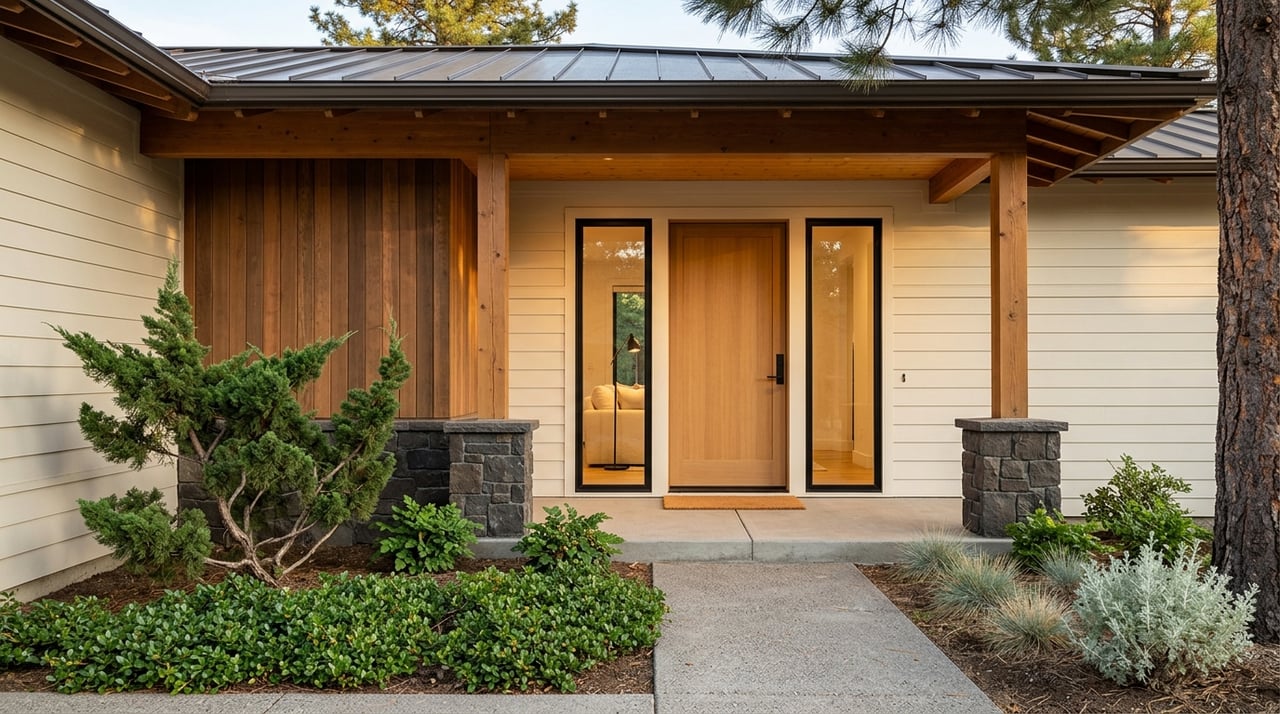
Trying to decide between a brand-new home and an older one in Bend? You are not alone. In a fast-growing market like Bend, that choice can shape your budget, your timeline, and how much work you take on after closing. This guide will help you compare new construction and resale homes in Bend through a practical lens, so you can make a choice that fits how you want to live. Let’s dive in.
Bend housing choices are changing
Bend has grown quickly over the last several years, and the city now has more than 100,000 residents. The city is also planning for long-term growth and identified a need for 17,234 new housing units by 2028. That bigger picture matters because it helps explain why buyers today are seeing more housing options across Bend.
Bend's housing stock has historically been shaped by detached homes. The city's housing analysis found that about 74% of the housing stock was single-unit detached, and most homeowners lived in detached housing. At the same time, the city has been expanding allowed housing types, which means new construction in Bend may include townhomes, cottages, duplexes, multi-unit options, and more, not just a traditional single-family house.
New construction in Bend
When you buy new construction, you are usually getting a home built to newer code standards. Oregon's 2023 Residential Specialty Code became effective in late 2023 and mandatory in 2024, and the state notes that efficient new homes are built with energy savings, comfort, health, and durability in mind. In simple terms, newer homes may offer advantages that are harder or more expensive to add later.
That can matter in a place like Bend, where total cost of ownership deserves close attention. The city's housing analysis found that about 37% of Bend households were cost-burdened, so monthly expenses matter just as much as the purchase price. Lower utility use and fewer immediate upgrades can be meaningful if you want more predictability after move-in.
What buyers often like about new homes
New construction often appeals to buyers who want a more turnkey experience. You may have lower near-term repair exposure, updated systems, and materials that meet current building standards. That does not mean you will avoid all upkeep, but it can reduce the chance of facing a long repair list right away.
Many buyers also appreciate the range of newer housing formats now available in Bend. Depending on the area and project, your options may include detached homes, townhomes, cottage developments, or other middle-housing styles. That can open up more flexibility if you care about location, maintenance level, or layout more than owning a large lot.
What to watch with new construction
New does not always mean simple. In Bend, new development can involve permit review, inspections, and final approval before occupancy, which can make timing less predictable than buying an existing home. If you are on a tight move schedule, that extra uncertainty deserves attention.
There can also be added development-related costs. Bend charges system development charges, or SDCs, when new development occurs to help fund infrastructure like transportation, water, sewer, and parks. These charges are typically due before permits unless deferred, and the city now offers an SDC deferral program for residential development.
Builder warranties can help, but they are usually limited. The Federal Trade Commission notes that these warranties generally cover workmanship and materials for certain components, such as windows, HVAC, plumbing, and electrical systems. That is helpful, but it is not the same as having every future issue covered.
Resale homes in Bend
Resale homes are often the path to Bend's established housing stock. Because so much of the city's existing inventory is detached housing, a resale search may lead you toward more established neighborhoods and a wider mix of home ages, lot sizes, and floor plans. For many buyers, that variety is part of the appeal.
A resale home can also give you a clearer picture of what already exists. You can see the finished street, the landscaping, the surrounding homes, and how the property functions in real life. That can make it easier to judge whether a home fits your priorities for daily living.
What buyers often like about resale homes
Resale homes can offer more immediate certainty about what you are buying. The house is already built, the neighborhood pattern is visible, and your closing timeline may be more straightforward than waiting on a home still in process. If timing is important, that can be a major advantage.
You may also find opportunities to personalize over time. Some buyers are comfortable purchasing a home that needs cosmetic updates or selected repairs if it means getting a location, lot, or layout they prefer. In Bend, where neighborhood form and access matter, that tradeoff can make sense.
What to watch with resale homes
Condition is one of the biggest factors with resale. The Consumer Financial Protection Bureau recommends getting an independent home inspection as soon as possible, and notes that buyers may be able to renegotiate repairs or cancel the sale if the contract is contingent and the inspection reveals serious flaws. In practical terms, inspections and repair estimates are central to understanding value.
Bend buyers should also think about local property issues that may affect future work on a home. The city states that Bend is in a wildfire hazard zone, and reroofing permits must ensure materials meet wildfire protection standards. If a property is designated historic or located in a historic district, extra permitting requirements may apply.
It is also important to remember that resale does not always mean no future development costs. Bend says SDCs can be assessed on additions and redevelopment, not just on brand-new homes. So if you buy an older home with plans to expand or significantly remodel later, those costs may still come into play.
Total cost matters more than age
In Bend, the better question is often not "new or old?" but "what will this home really cost me over time?" That includes the purchase price, likely utility use, expected repairs, permit costs, potential SDCs, and any wildfire-related upgrades or home hardening you may want to make.
This is especially relevant in a market where affordability pressure is real. A lower-maintenance new home may come with a higher price or added development costs. A resale home may offer a different entry point, but it could need repairs, efficiency upgrades, or future work that changes the long-term math.
How Bend location shapes the choice
In Bend, location is about more than the address. The city's growth vision emphasizes complete communities and more walkable, bikeable connections, which means the surrounding neighborhood form can matter almost as much as the house itself. That is one reason the comparison between new construction and resale is not always straightforward.
A newer home may offer modern efficiency and a lower-maintenance lifestyle, while a resale home may place you in an established part of Bend with a different street pattern, lot configuration, or housing character. The right fit depends on what matters most to you day to day.
A simple framework for choosing
If you are weighing both paths, it helps to focus on a few practical questions.
New construction may fit you if
- You want lower near-term maintenance exposure.
- You value newer-code efficiency and updated systems.
- You are open to housing types beyond a traditional detached house.
- You can handle possible timing variability before move-in.
- You want limited builder warranty coverage as part of the package.
Resale may fit you if
- You want access to Bend's existing housing stock.
- You prefer to see a finished home and neighborhood before you buy.
- You are comfortable using inspections and repair estimates in your decision.
- You may value established lot patterns or home styles.
- You want a clearer sense of what already exists today.
Why your buying strategy should be local
Bend is not a market where broad national advice tells the whole story. Local growth planning, housing diversity, wildfire considerations, and city development charges all influence the true pros and cons of new construction versus resale. That is why your buying strategy should reflect the property type, the area, and your longer-term plans for the home.
If you are considering a higher-end home, a second home, or a property with more land, the comparison can become even more nuanced. House age is only one piece of the decision. Layout, location, maintenance demands, future improvements, and how you plan to use the property all deserve equal weight.
Whether you are relocating to Bend, moving up locally, or searching for a home that better matches your lifestyle, it helps to compare options through a practical, Bend-specific lens. If you want thoughtful guidance on where a new build or resale home fits into your goals, connect with Julie Reber for a personalized conversation.
FAQs
Should you buy new construction or resale in Bend?
- The better choice depends on your priorities. New construction may offer newer-code efficiency and lower near-term repair exposure, while resale may give you access to Bend's existing housing stock, more established areas, and a clearer picture of the finished home and surroundings.
What are system development charges in Bend homes?
- System development charges, or SDCs, are local charges tied to development and help fund infrastructure such as transportation, water, sewer, and parks. In Bend, they usually apply when new development occurs and can also matter for additions or redevelopment later.
Do resale homes in Bend need extra due diligence?
- Yes. An independent home inspection is an important step for resale homes, and Bend buyers may also need to consider wildfire-related standards, possible home hardening, and whether historic designation could affect future permitting.
Are new homes in Bend always detached houses?
- No. In Bend, new construction can include a wider range of housing types, including townhomes, duplexes, triplexes, quadplexes, cottage developments, multi-unit housing, and other middle-housing options.
Is total cost of ownership important when buying in Bend?
- Yes. In Bend, it is smart to look beyond headline price and consider utility use, likely repairs, permit costs, possible SDCs, and wildfire-related upgrades when comparing new construction and resale homes.