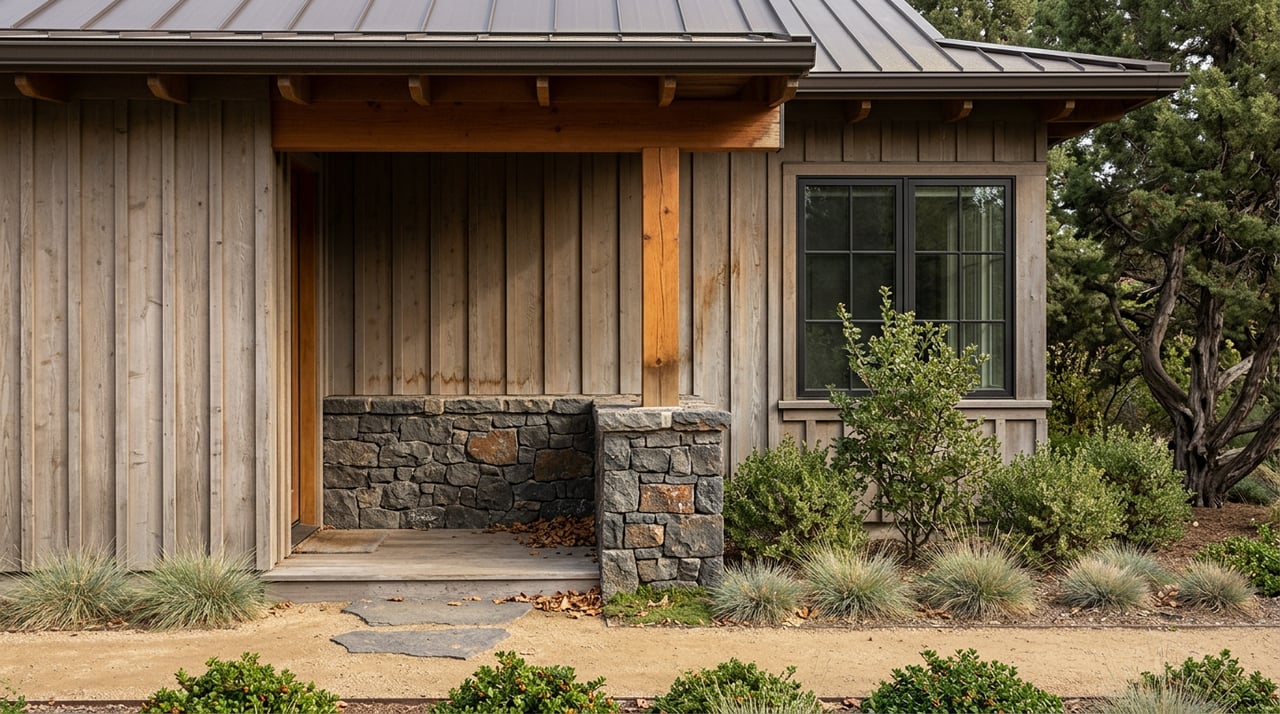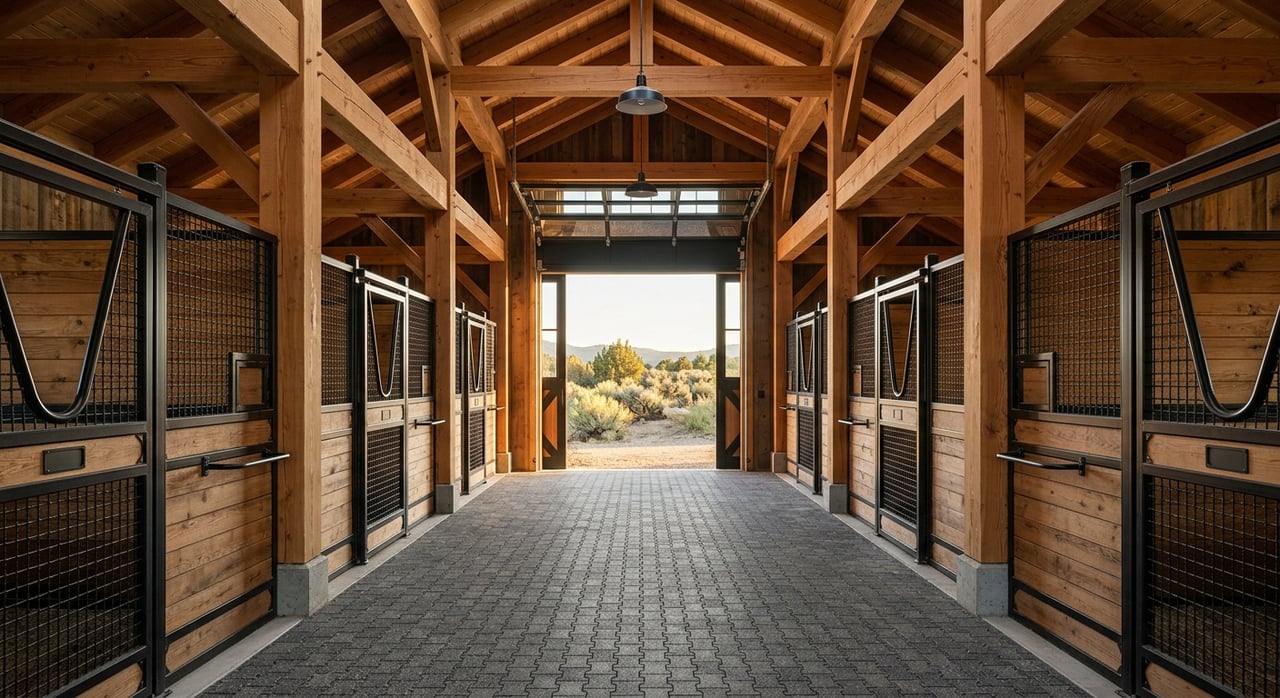
Selling a Bend acreage or equestrian property is not the same as selling an in-town home. Buyers are not just evaluating square footage and finishes. They are also trying to understand zoning, horse use, water, septic, access, overlays, and wildfire readiness, often before they ever step on the property. If you want to attract serious buyers and avoid wasted showings, your marketing has to answer those questions clearly and early. Let’s dive in.
Why Bend acreage needs a different strategy
Bend’s housing market is somewhat competitive, with homes selling in about 30 days and a median sale price of $681,500 in March 2026. Redfin also reported that 19.4% of Bend homes sold above list price that month. That kind of market still rewards strong pricing and presentation, especially for rural properties that have more variables than a standard neighborhood listing.
Acreage and equestrian properties are more complex because buyers are purchasing a full property system, not just a house. They want to know how the land functions, what uses are allowed, and what infrastructure is already in place. A polished listing matters, but clear facts matter just as much.
There is also an important audience factor in Bend. Redfin migration data shows meaningful search interest coming from Portland, Seattle, and San Francisco. If your likely buyer is out of area, your marketing needs to work as a remote decision tool, not just a local flyer.
Start with facts buyers can verify
For Bend acreage, the best marketing begins with due diligence. A beautiful photo set can generate clicks, but buyers of rural and horse properties usually move forward when the listing answers the practical questions that shape value and use. That means your marketing should be built on verified property details, not broad lifestyle language.
Zoning should be front and center
Deschutes County zoning can change what a buyer may be able to do with a property. The county notes that RR-10 and MUA-10 can allow uses such as single-family dwellings, ADUs, agriculture, small-scale horse stables, and limited home businesses. UAR-10 is intended as a transition zone near Bend’s urban growth boundary, and EFU is designed to preserve larger parcel sizes and high-value farmland, with a residence not permitted on all lots.
That is why zoning should never be buried in the fine print. If horse use is allowed, that should be stated clearly. If future division is unlikely, that should be stated clearly too.
Parcel size does not equal subdividable land
This is one of the most important points to communicate in acreage marketing. Deschutes County notes that many lots were created before current zoning rules and may be smaller than current minimum lot sizes. In practical terms, a parcel can be legal and usable but not subdividable.
That distinction matters to many buyers. Some are looking for immediate use, while others are also thinking about long-term flexibility. When you address that issue upfront, you help buyers self-qualify and reduce confusion later in the process.
Overlays and parcel-specific rules matter
Deschutes County’s DIAL system includes development information, service provider coverage, tax assessment, acreage, special setbacks, floodplain status, restrictive covenants, permit history, and inspection history. The county also notes that overlay or combining zones can add rules related to flood plain, wildlife area, airport safety, sage grouse habitat, destination resorts, and more.
For that reason, acreage marketing should include more than a standard brochure. Buyers benefit from parcel maps, annotated site information, and feature sheets that explain what is known about the land. The clearer the materials, the easier it is for a buyer to evaluate fit.
Highlight water, septic, and wildfire readiness
In Bend-area rural property marketing, infrastructure can be just as important as finishes. Water, septic, and wildfire mitigation are not side notes. They are major decision points.
Water rights need careful wording
In Oregon, water rights are not the same thing as simply owning land with water on or under it. The Oregon Water Resources Department states that water rights are generally appurtenant to a specific property, and landowners do not automatically gain the right to use water flowing past, through, or under their land. The agency also states that a transfer is required before changing the point of diversion, place of use, or type of use.
That means sellers should be precise when describing wells, irrigation, and water rights. If a property has a well, say that. If documented water rights are part of the property story, that should be presented accurately and distinctly.
Septic status should be easy to understand
Where sewer is unavailable, Deschutes County states that onsite wastewater systems must be designed to county and DEQ standards. Buyers often want to know whether a system exists, whether records are available, and whether there are any known constraints tied to the site.
This is another area where feature sheets can do a lot of work. If you can present septic information clearly, you reduce uncertainty and help buyers come to a showing better prepared.
Wildfire mitigation is part of the value story
Deschutes County and the City of Bend adopted wildfire mitigation fire-hardening provisions for new dwellings and new accessory structures beginning April 1, 2026. The county also continues to encourage FireFree yard-debris cleanup and other mitigation efforts.
For acreage and equestrian properties, defensible space and fire-resilient improvements should be included in the marketing story when applicable. Buyers want to understand not just the beauty of the setting, but also how the property has been maintained and prepared.
Use visuals that explain the property
Most buyers begin online, and the data supports just how important that first impression is. NAR reports that all buyers used the internet in their home search, and buyers rated photos, detailed property information, floor plans, virtual tours, and interactive maps as especially useful. NAR also found that 52% of buyers found the home they purchased online.
For acreage properties, this means your visuals need to do more than look attractive. They need to help buyers understand how the land, buildings, and improvements work together.
What visuals matter most
A strong Bend acreage or equestrian marketing package often includes:
- Professional exterior photography
- Interior photography that shows layout and flow
- Aerial images for parcel context
- Floor plans
- Virtual tours or video
- Parcel maps or annotated site diagrams
- Clear images of barns, arenas, fencing, paddocks, shops, and outbuildings
NAR’s 2025 staging report also showed that buyers’ agents viewed photos, physical staging, videos, and virtual tours as more important or much more important to clients. For a rural property, that combination helps a buyer understand both presentation and function.
Write listing copy that answers real questions
Generic listing language does not do enough for a Bend horse property or acreage home. Buyers are usually asking very specific questions, especially if they are relocating from outside Central Oregon. The listing description should help answer those questions right away.
Focus on concrete property details
The first paragraph of the listing copy should quickly communicate the essentials. That may include acreage, zoning, horse facilities, water source, septic setup, access, outbuildings, and known overlays or restrictions. This gives buyers substance, not just mood.
That does not mean the copy has to feel dry. It simply means the lifestyle story should be grounded in facts that help the reader picture daily use of the property.
Anticipate out-of-area buyer concerns
NAR’s survey data shows buyers value help understanding the process, identifying overlooked features or faults, negotiating terms, and improving their understanding of search areas. Constant communication also matters. For many acreage sellers in Bend, that means the marketing package should answer common buyer questions before they are even asked.
For example, buyers may want to know:
- Is horse use allowed under the current zone?
- Are there overlays or other restrictions?
- Is there a documented water right, a well, or both?
- What is known about septic?
- Can the parcel be subdivided?
- What wildfire mitigation work has been done?
When your marketing addresses these points clearly, you attract buyers who are better informed and more serious.
Reach beyond the local buyer pool
Bend does not rely only on local demand. Redfin data shows search interest from Portland, Seattle, and San Francisco, and the brand strategy behind Julie Reber’s approach is especially relevant here. For many acreage and equestrian sellers, the right buyer may be in another market entirely.
That is why a broader marketing plan matters. Local MLS exposure is important, but rural properties can also benefit from targeted syndication and specialized farm and ranch portals. The Land.com Network reports reaching more than 12 million active buyers and landowners each month across its platforms, which underscores why niche channels can matter for this category.
For a property with horse facilities, usable land, or rural improvements, audience matching is a major part of the strategy. The goal is not just maximum exposure. It is putting the listing in front of buyers who understand and value what makes the property different.
What strong Bend acreage marketing looks like
The most effective marketing for Bend acreage and equestrian properties combines presentation, proof, and targeted reach. It is polished, but it is also practical. It helps buyers see the property and understand it.
A strong approach usually includes:
- Accurate pricing based on a thoughtful CMA
- Staging and presentation where appropriate
- Professional photography, video, and floor plans
- Parcel maps and detailed feature sheets
- Clear disclosure of zoning, overlays, and property-use facts
- Marketing built for remote buyers
- Multi-channel promotion, including broader and niche exposure
This is where a boutique, hands-on approach can make a real difference. Complex properties benefit from careful preparation and a marketing plan tailored to the asset, not a one-size-fits-all template.
If you are preparing to sell acreage or an equestrian property in Bend, the right strategy starts with clarity. When your property is presented with strong visuals, verified facts, and outreach to the right buyer pool, you give yourself a better chance of attracting qualified interest and a smoother path to closing. If you want a tailored plan for your property, connect with Julie Reber.
FAQs
How should you market a Bend equestrian property?
- You should market a Bend equestrian property with verified zoning details, clear information about horse facilities, strong visuals, parcel maps, and targeted exposure that reaches both local and out-of-area buyers.
What details matter most for Bend acreage listings?
- The most important details usually include acreage, zoning, overlays, subdivision limits, water source, water rights if applicable, septic status, access, outbuildings, and wildfire mitigation work.
Why do Bend acreage buyers need more information upfront?
- Bend acreage buyers often need more information upfront because rural properties have more variables than in-town homes, and many buyers begin their search online or from outside the area.
Can you market a Deschutes County parcel based on lot size alone?
- No. Deschutes County notes that some lots are legal and usable but may not meet current minimum lot size rules for subdivision, so lot size alone does not tell the full story.
Why are maps and feature sheets useful for Bend rural listings?
- Maps and feature sheets help buyers understand parcel layout, zoning, overlays, setbacks, infrastructure, and other property-specific facts that affect use and value.
What makes remote-friendly marketing important in Bend?
- Remote-friendly marketing matters in Bend because search interest comes from outside markets such as Portland, Seattle, and San Francisco, so many buyers may evaluate a property online before planning a visit.